Attempts to Redivide the World: Historical Parallels and Lessons for Today
An analysis of historical agreements on spheres of influence and their effectiveness in the context of modern geopolitical realities.
 🧠AI Analysis
Photo: UNIAN
Key points
- Historical agreements on dividing the world have almost always been violated.
- Geopolitical deals often serve as a pause before a new war.
- Ignoring the interests of third parties leads to instability.
The idea of a global redistribution of spheres of influence between great powers is not new to human civilization. Historical experience shows that such arrangements, from the time of the ancient Egyptian Pharaoh Ramesses II to the colonial treaties of the 15th century, have rarely guaranteed lasting peace.
Historical Experience and Its Consequences
Agreements such as the Treaty of Tordesillas in 1494, which divided the possessions of Spain and Portugal, often ignored the interests of third parties. This inevitably led to new conflicts and the emergence of new players who did not recognize previous limitations. A similar dynamic was observed during the Congress of Vienna in 1815, where attempts to fix the balance of power only laid the groundwork for future world wars.
Agreements on spheres of influence are often perceived by great powers not as a mechanism for peace, but as a pause to accumulate resources before further expansion.
Modern attempts by certain leaders to return to the format of "great clubs" resemble the practices of past centuries, when imperial ambitions were placed above international law. History shows that such agreements are fragile, and their violation is only a matter of time.
Source UNIAN — unian.ua/world/zustrich-putina-i-trampa-z-si-chi-zmozhut-voni-podil… ↗
Read next
 🏙️City
Preparing roses for winter: tips for Rivne gardeners
Gardeners remind about the importance of properly covering roses before the cold weather arrives to prevent them from freezing.
 🩺Health
Rivne Regional Hospital receives modern videolaryngoscopes from donors
The medical facility has expanded its inventory with six portable devices designed for safer patient intubation.
 🚌Transport
Vandalism at the Ozhenyn railway station: local residents demand action
Residents of Ozhenyn village have expressed outrage over the critical condition of the local railway station, which has been damaged by vandals.
 🚌Transport
Kerch Bridge ceases to function as a major transport artery
The Ukrainian Ministry of Defense confirmed that damage to the Kerch Bridge has severely disrupted Russian military logistics.
Weather in Rivne on November 19: forecasters warn of strong winds
Rivne region expects cloudy weather with sunny intervals and wind gusts up to 18 m/s. No precipitation is forecast.
 🎭Culture & Sport
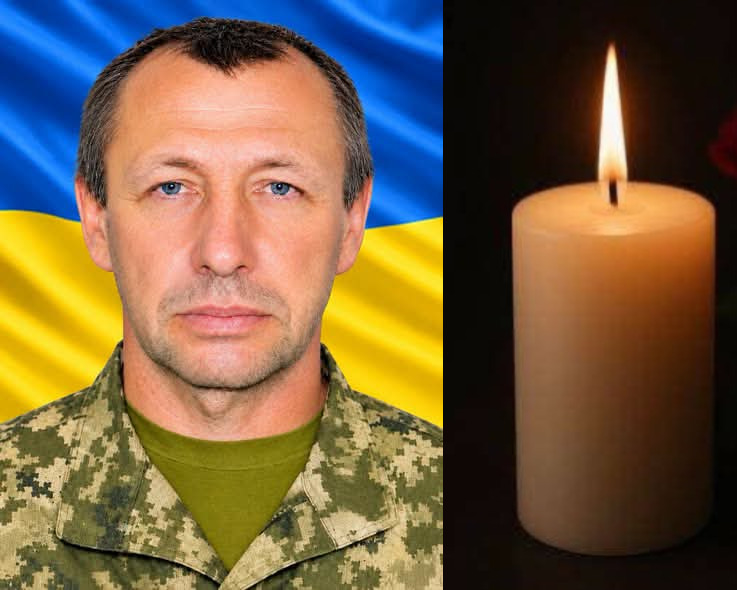
Korets community to bid farewell to fallen soldier Serhii Lohvynchuk
On November 20, the town of Korets will hold a funeral ceremony for defender Serhii Lohvynchuk, who had been missing in action for a long time.