Living in Golf Balls: The 40-Year Legacy of the Dutch Bolwoningen Experiment
Built in 1984, the unique spherical houses in 's-Hertogenbosch remain a functional example of experimental urban architecture and social housing.
 🏙️City
Photo: UNIAN
Key points
- 50 spherical houses were built in 1984 in 's-Hertogenbosch
- Architect Dries Kreijkamp utilized fiberglass and concrete bases
- The living space is limited to 25 square meters across three levels
- The project remains a unique experiment due to high production costs
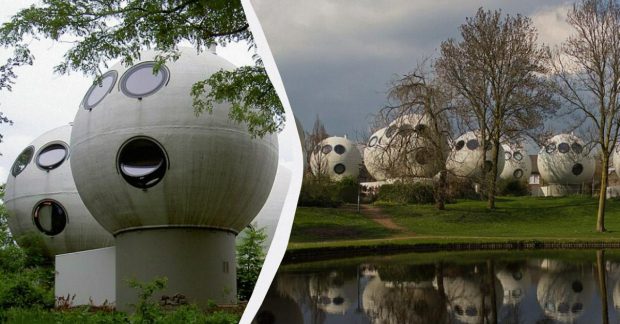
In 1984, the Dutch city of 's-Hertogenbosch saw the completion of an extraordinary residential neighborhood that continues to captivate architects and tourists alike. Known as Bolwoningen, the project consists of 50 white spherical houses resembling giant golf balls. These structures were born from a Dutch government initiative to subsidize experimental housing, aimed at addressing housing shortages while diversifying urban landscapes.
The Philosophy of 'Living in a Sphere'
The visionary behind the project was artist and architect Dries Kreijkamp, who believed the sphere was the most natural shape for human habitation. He argued that since humans live on a spherical planet, their homes should reflect that geometry. Kreijkamp aimed to create ecological, energy-efficient, and mobile housing that could be easily assembled or even moved by water.
Each house sits on a cylindrical concrete base containing utilities and storage. The sphere itself is constructed from fiberglass with a thick layer of insulation. Weighing only about 1,250 kg, the structure was designed for rapid assembly. Round porthole windows were strategically placed to maximize natural light, a key element of the architect's vision.
Interior Layout and Practical Challenges
Despite their futuristic appearance, living in these homes presents unique challenges. While the total floor area is approximately 55 square meters, the curved walls limit the usable living space to about 25 square meters. The interior is split into three levels: a bedroom on the ground floor, a bathroom in the middle, and a living area with a kitchen at the top, where light is most abundant.
"We live on a ball, we are born from a ball... So why not live in a ball?" — Dries Kreijkamp once explained regarding his concept.
Furnishing the homes proved difficult for residents, as standard wardrobes and paintings do not easily fit on concave surfaces. Although Kreijkamp envisioned these as ideal homes for single people or couples, the project never scaled. The manufacturing process proved too complex and expensive for mass production, leaving the 50 Bolwoningen as a unique architectural testament to an era of experimentation.
Source UNIAN — unian.ua/curiosities/budinki-kuli-v-niderlandah-navishcho-u-1984-ro… ↗
Read next
 👥Society
President warns of new attack threats: call for vigilance and international support
Volodymyr Zelenskyy reported intelligence data on Russia's preparation for new strikes and called on partners to strengthen air defense.
 🎓Education
Children's art studio 'Enchanted Brush' opens enrollment in Rivne
The 'Enchanted Brush' art studio is welcoming children aged 6 to 14 for drawing and sculpting classes in central Rivne.
 👥Society
Cold homes: actress Antonina Khyzhniak reports heating issues in Ukrainka
Ukrainian actress Antonina Khyzhniak has raised concerns about the lack of heating in her grandmother's apartment, highlighting broader infrastructure risks.
 🎓Education
King Charles III and Idris Elba feature in new documentary on youth support
The British monarch and the acclaimed actor have collaborated on a Netflix documentary highlighting the impact of The King's Trust charity.
 🚨Events
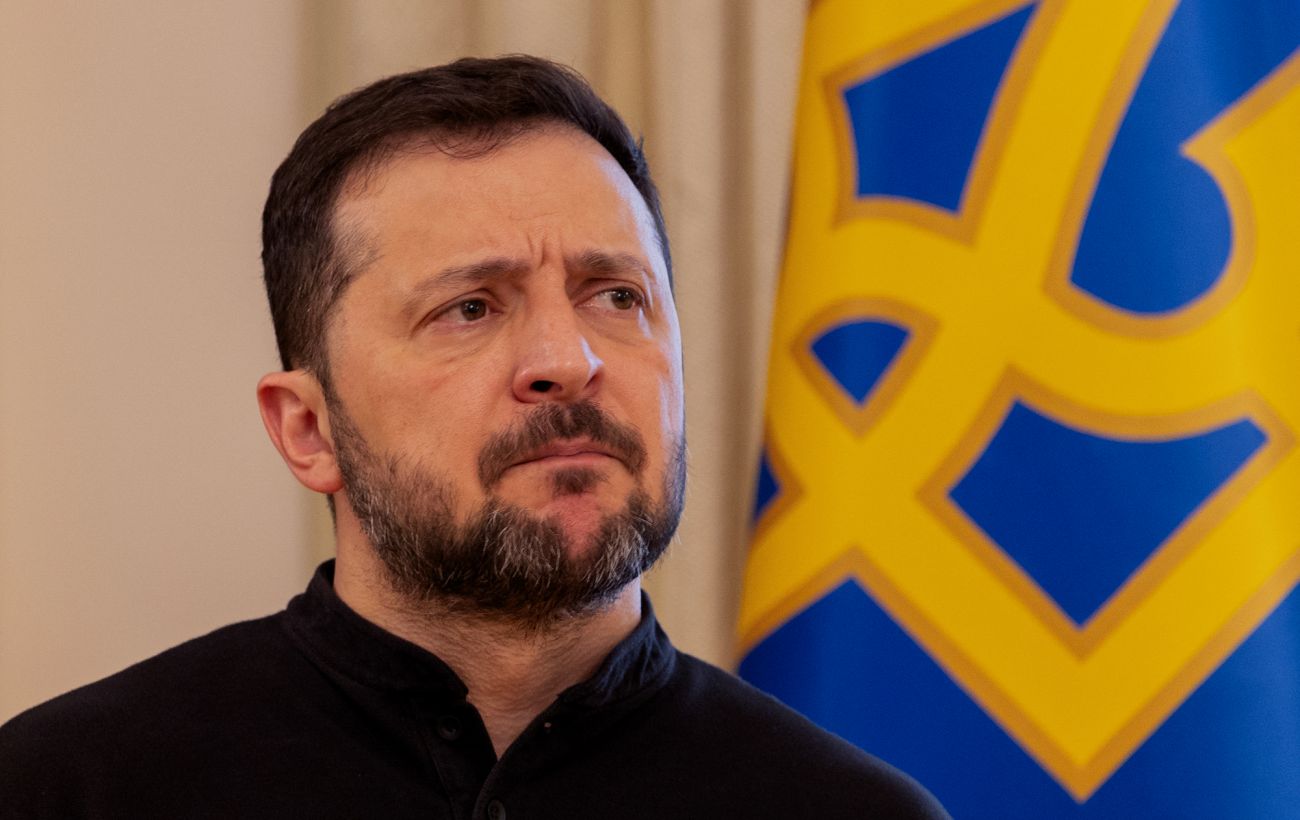
President warns of potential new massive Russian missile strikes
Volodymyr Zelenskyy has warned of intelligence reports indicating that Russia is preparing new missile attacks on Ukraine. The President emphasized the urgent need for en…
 👥Society
Mobile blood donation drive to be held in Holovyn
Residents of the Holovyn community will have the opportunity to donate blood locally on November 25 through a mobile unit from the regional blood center.