Weather conditions prevented NATO fighter from shooting down Russian missile over Poland
During a Russian strike on Ukraine, a Swedish Gripen pilot received permission to shoot down a missile in Polish airspace but failed to identify it due to poor visibility.
 🚨Events
Photo: Ukrainska Pravda
Key points
- Swedish Gripen pilot had permission to shoot down missile over Poland
- Bad weather prevented visual identification of the Kh-101
- Poland and NATO deployed fighters and air defense systems
An incident involving a breach of Polish airspace during a massive Russian attack on Ukraine has highlighted new challenges for NATO air defense forces. During the latest strike, military command tracked several aerial targets, some of which crossed the border of the neighboring state. Fighter jets from allied nations were scrambled to intercept the dangerous objects.
Operation details and command orders
A pair of Swedish Gripen fighters operated under the command of NATO's Combined Air Operations Centre. According to General Ireneusz Nowak, Operational Commander of the Polish Armed Forces, one of the pilots received a condition-based order granting permission to independently decide on destroying the target, preliminarily identified as a Kh-101 cruise missile.
However, extremely adverse weather conditions prevented the pilot from identifying the object either visually or through onboard electro-optical systems.
"Extremely difficult atmospheric conditions" became the sole obstacle to shooting down the missile in mid-air, the general noted.Consequently, the pilot refrained from using weapons, as safety protocols require absolute certainty regarding the target.
Scale of the threat and allied response
Overall, Polish and allied radar stations tracked more than ten potentially dangerous objects moving toward the border. The attack unfolded in waves, starting with drones and followed by cruise and ballistic missiles. F-16 fighters, early warning aircraft, and aerial tankers were deployed to secure the airspace.
For residents of border regions, such incidents serve as a reminder of the cross-border risks posed by modern conflicts. The unpredictability of missile trajectories and the difficulty of interception in poor weather demonstrate that warfare creates threats far beyond the frontline, requiring maximum coordination and constant combat readiness from neighboring nations.
Source Ukrainska Pravda — pravda.com.ua/news/2026/11/21/8063930/ ↗
Read next
 🛡️Security
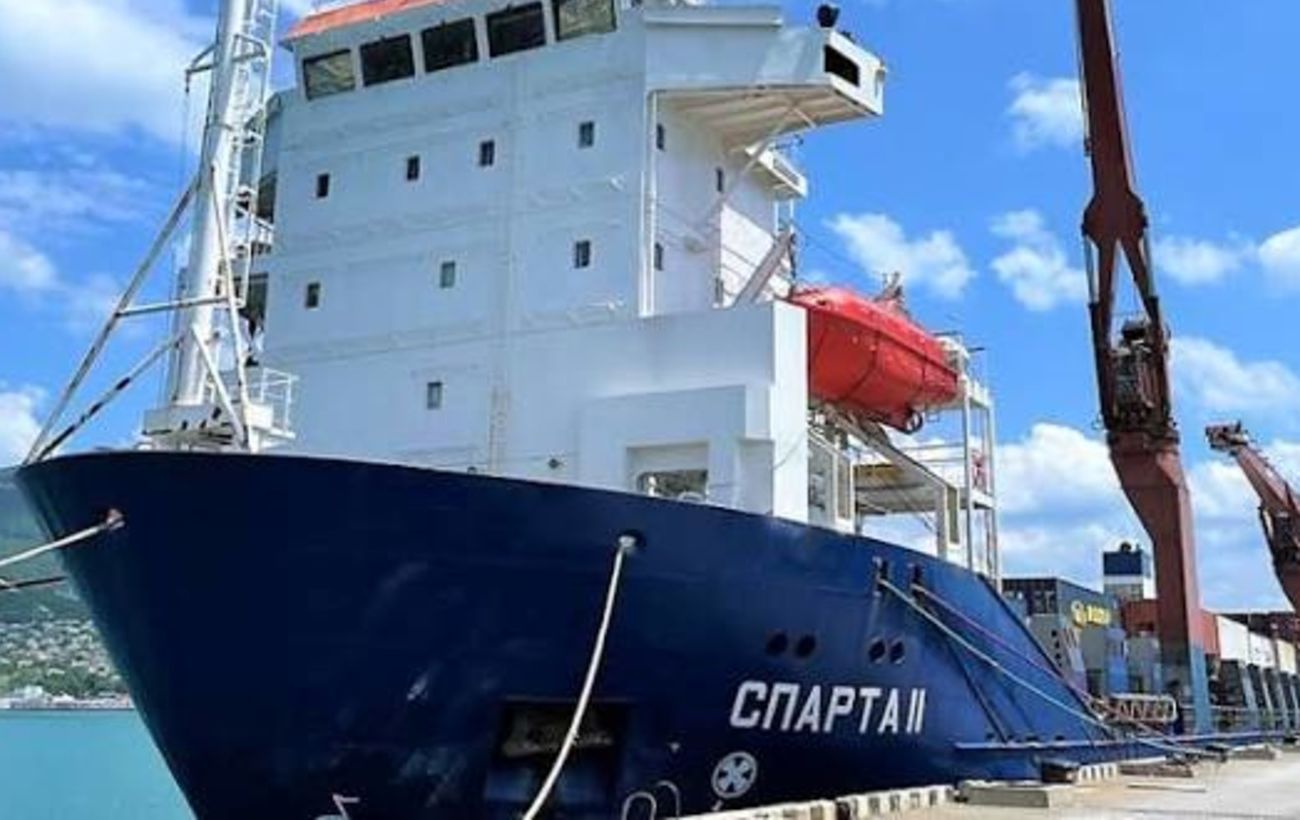
Russian Vessel Sparta II Struck by Ukrainian Drones Still Burning in the Gulf of Finland
Firefighting operations are ongoing in Finnish territorial waters aboard the Russian cargo ship Sparta II following a Ukrainian drone strike.
 🩺Health
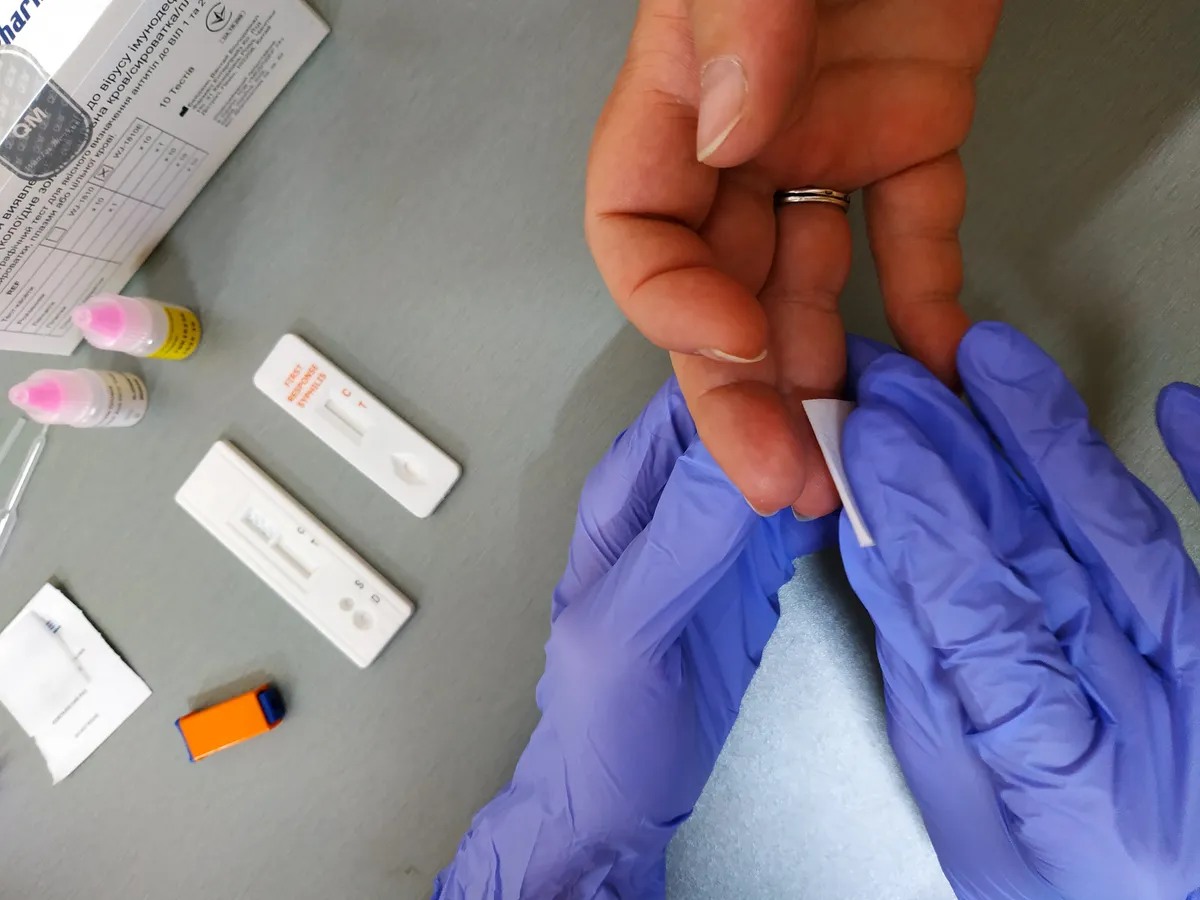
Mobile Clinic Offers Free HIV and Hepatitis Testing in Rivne: Locations and Schedule
Rivne residents can undergo fast, confidential, and free health checks in a mobile medical unit as part of a European initiative.
 👥Society
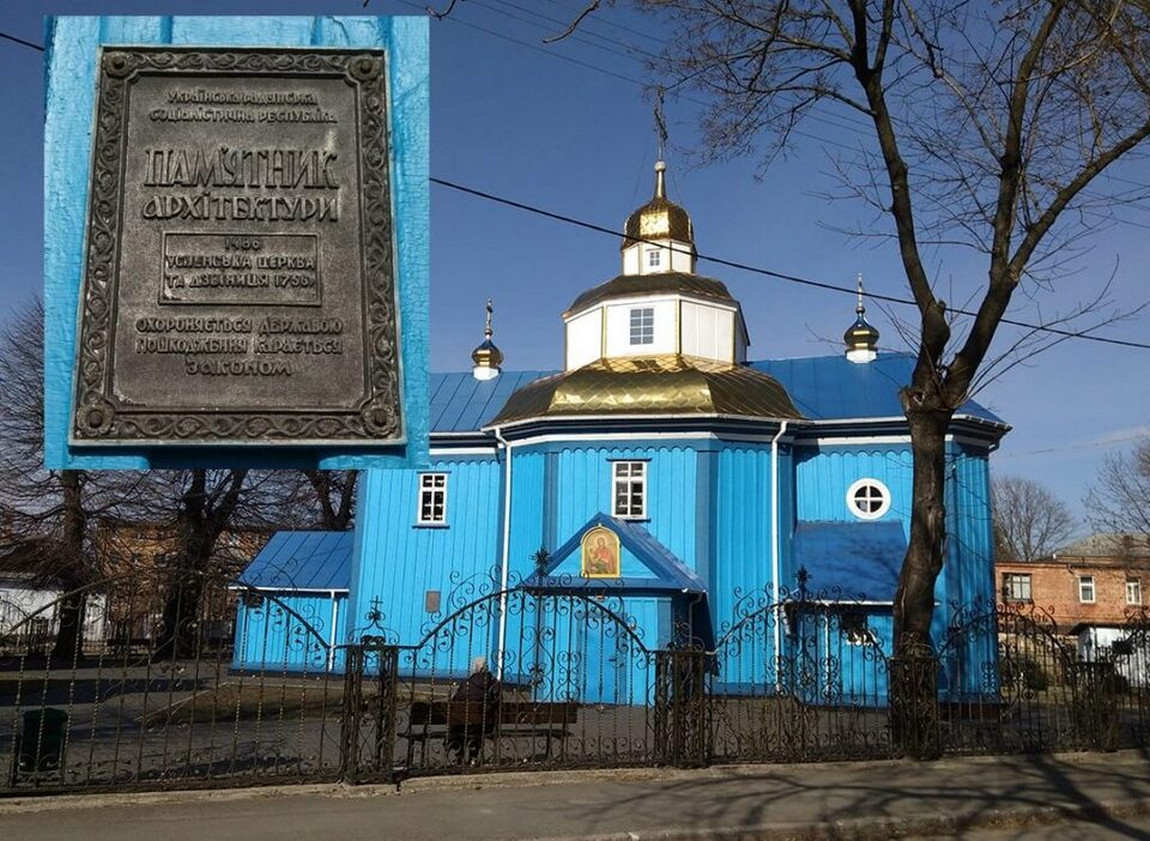
Fate of Rivne's Historic Church: Court Sides with Religious Community
The Commercial Court of Rivne Oblast has ruled in favor of parishioners regarding the ownership of the 270-year-old Svyato-Uspenska Church, revoking municipal property re…
 🧠AI Analysis
The Philosophy of Repair: Why the Future of Ukrainian Communities Relies on Daily Maintenance
Modern Ukrainian reality requires a shift in perspective toward recovery, placing the daily and often invisible labor of repair workers at the core of community resilienc…
 🧠AI Analysis
Theatrical Tours Abroad: Challenges and Emotions of Ukrainian Artists in Europe
Producer Serhii Chudaiev discusses the realities of organizing Ukrainian theatre tours in Europe, logistical hurdles, and emotional connections with audiences.
 🧠AI Analysis
Parliamentary oversight and NABU: Expert comments on Kryvonos missing TSC meeting
NABU Director Semen Kryvonos must personally address a temporary parliamentary commission regarding statements made by SBU General Serhii Duka, political expert Volodymyr…