Microplastics are chemically active: scientists discover new threat to cells
Research from Columbia University proves that microplastics in water can trigger chemical reactions that damage biological structures.
 🩺Health
Photo: TSN
Key points
- Microplastics generate reactive oxygen species in water
- Polyethylene and polypropylene were found to be the most active
- Heating plastic in a microwave accelerates the release of harmful particles
Microplastics, once considered passive pollutants, have proven to be far more dangerous than previously thought. Scientists from Columbia University and the University of California, Berkeley, have discovered that plastic particles can generate reactive oxygen species upon contact with ordinary water.
Chemical activity of plastics
Researchers examined six types of common polymers, including polyethylene and polypropylene. It turns out that due to the hydrophobic properties of the plastic surface, conditions are created at the water interface for the formation of radicals capable of damaging proteins and DNA. This process is particularly intense when larger items break down into smaller fragments, increasing their surface area.
Experiments on mouse blood cells confirmed that contact with polystyrene leads to the destruction of erythrocyte membranes. Furthermore, researchers emphasize that everyday habits, such as heating plastic containers in a microwave or leaving water bottles in the sun for long periods, accelerate the breakdown of the material into microparticles.
Source TSN — tsn.ua/zdorovya/mikroplastyk-vyiavyvsia-nebezpechnishym-niz-vvazaly-shc… ↗
Read next
 🎭Culture & Sport
World Bestseller 'Waiting Tariff' to Be Published in Ukrainian for the First Time
New publishing house BOOKSETTER announced the upcoming December release of Ildiko von Kürthy's international bestseller, translated into Ukrainian for the first time.
 🧠AI Analysis
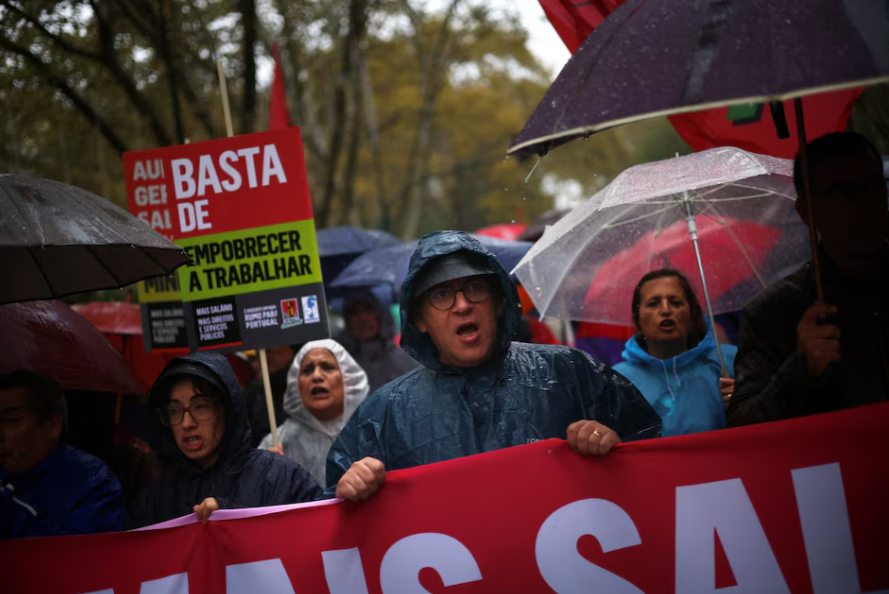
Thousands march in Lisbon amid soaring cost of living and housing crisis
Thousands of protesters took to the streets of Lisbon despite heavy rain to demand higher wages and action against the housing crisis.
 🛡️Security
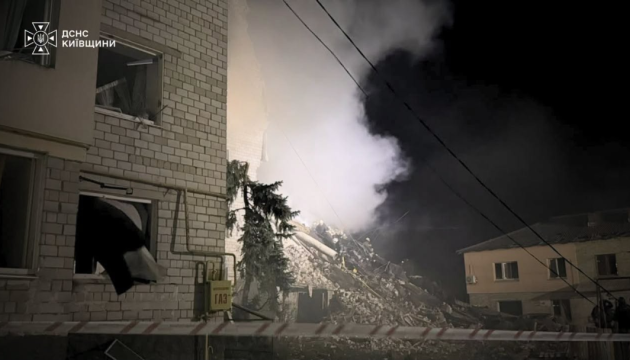
Drone Attack in Kyiv Region Damages Apartment Block, Rescue Operations Underway
A residential building in the Vyshhorod district of the Kyiv region was damaged in a drone attack, with rescue teams searching for people under the rubble.
 👥Society
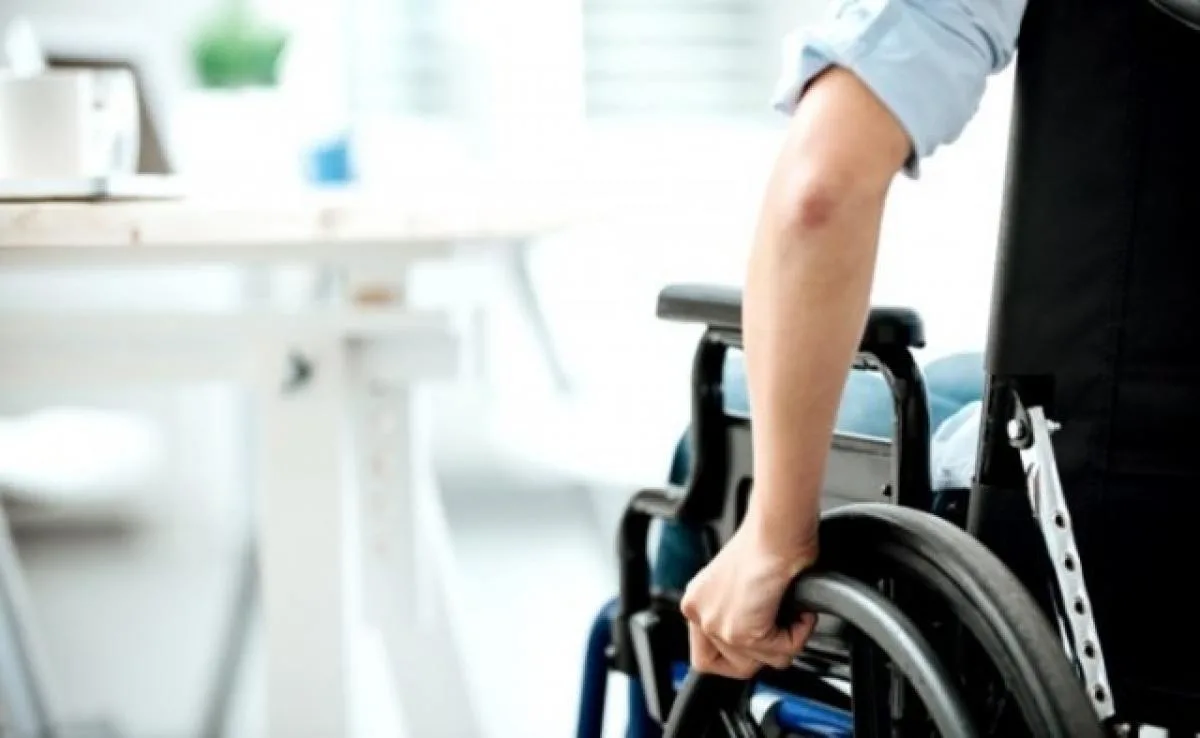
One-Time Financial Assistance for Families with Disabled Children: How to Apply in Rivne
Rivne urban territorial community has issued a reminder regarding target financial support for families raising severely ill children or children with disabilities. Fundi…
 🚌Transport
Rivne Welcomes the «Na Shchyty» Mission Crew Today: Route and Traffic Details
On November 22, Rivne is welcoming the humanitarian mission «Na Shchyty» returning fallen defenders home. Residents are advised of temporary traffic changes along the esc…
Tarakaniv Community in Rivne Region to Get Veteran Support Specialist
The commission under Dubno RMA has selected a candidate for the position of veteran and demobilized military support specialist for the Tarakaniv community.